
Warts, corns and rough skin
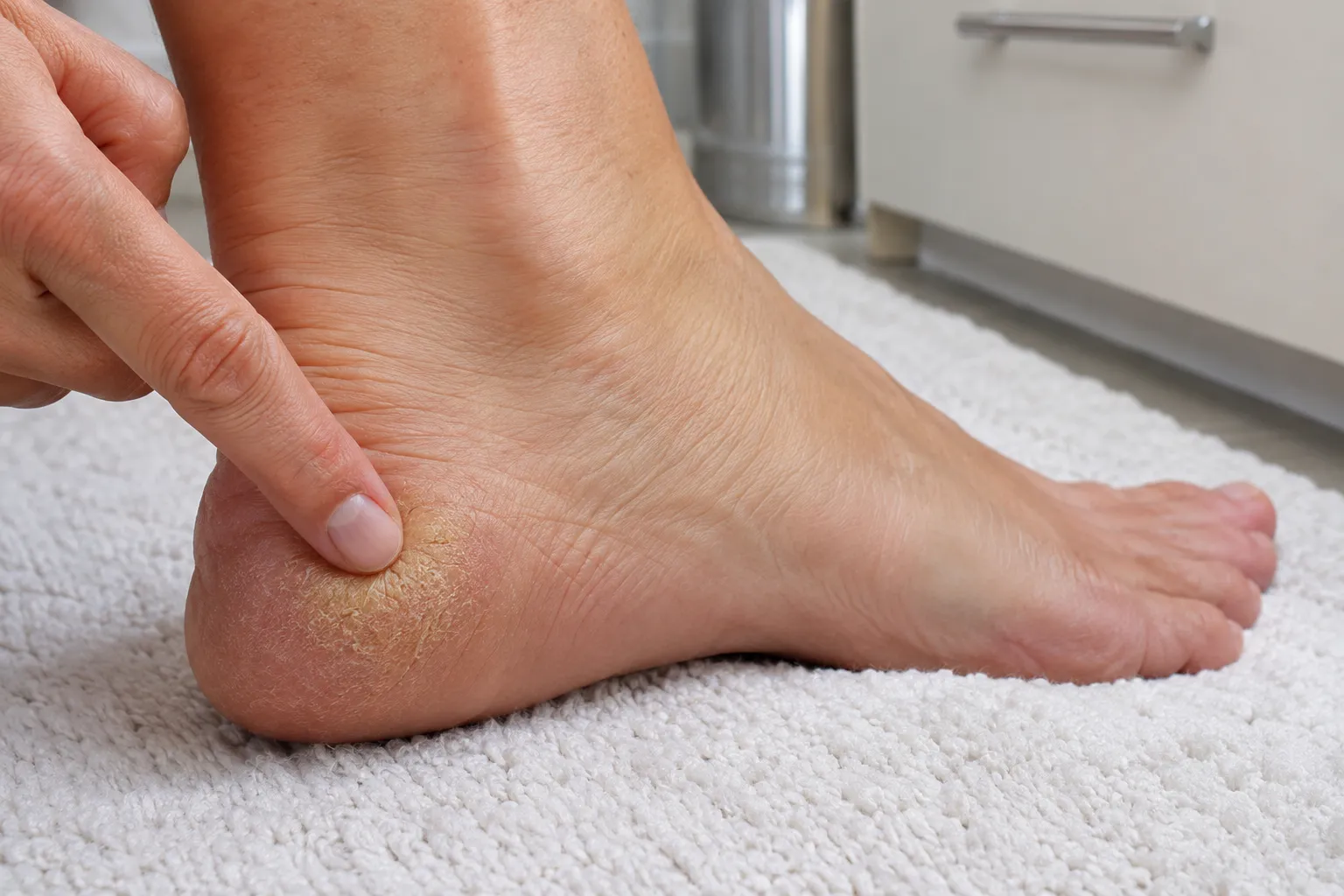
Rough patches, hard spots and small growths on the feet bring a run of questions: is it a corn, a callus, a wart or athlete's foot, and what should be done about it. The nine answers below start with telling them apart and move on to what to do.
Two publishers describe the difference in how they look and feel. APMA says it this way: Corns and calluses typically have a rough, dull appearance. The NHS describes the other side: Warts feel firm and rough.
Telling the spots apart
- Is a corn the same thing as a callus? separates two terms that get used for each other.
- How does a podiatrist tell a wart from a corn? shows what an examiner looks at.
- What causes warts on the soles of the feet? deals with where the growth comes from.
- Can plantar warts spread to other people? is for households and shared spaces.
- Will a verruca go away on its own? answers the question of waiting.
What to do about them
- Is it safe to cut a corn off at home? deals with the bathroom-blade shortcut.
- Why do I keep getting corns on my toes? is for corns that come back.
- How can I tell if I have athlete's foot? covers the first signs.
- When does athlete's foot need a doctor? marks the point to book a visit.
What to have ready
Note when you first saw the spot, whether it hurts when pressed or only when you walk, and whether its size or color has changed. Take a photo on the first day so later changes can be compared.
For further reading, the NHS page on corns and calluses, APMA's page on warts, MedlinePlus on athlete's foot and the Foot Health Facts entry on the plantar wart (verruca plantaris) each cover one of the topics above.
Where to go next
The next area on the site is toenail troubles, for readers whose skin question reaches the nail.
Every question filed under this topic
- Is it safe to cut a corn off at home?
- How does a podiatrist tell a wart from a corn?
- When does athlete's foot need a doctor?
- Can plantar warts spread to other people?
- Will a verruca go away on its own?
- Why do I keep getting corns on my toes?
- How can I tell if I have athlete's foot?
- What causes warts on the soles of the feet?
- Is a corn the same thing as a callus?